
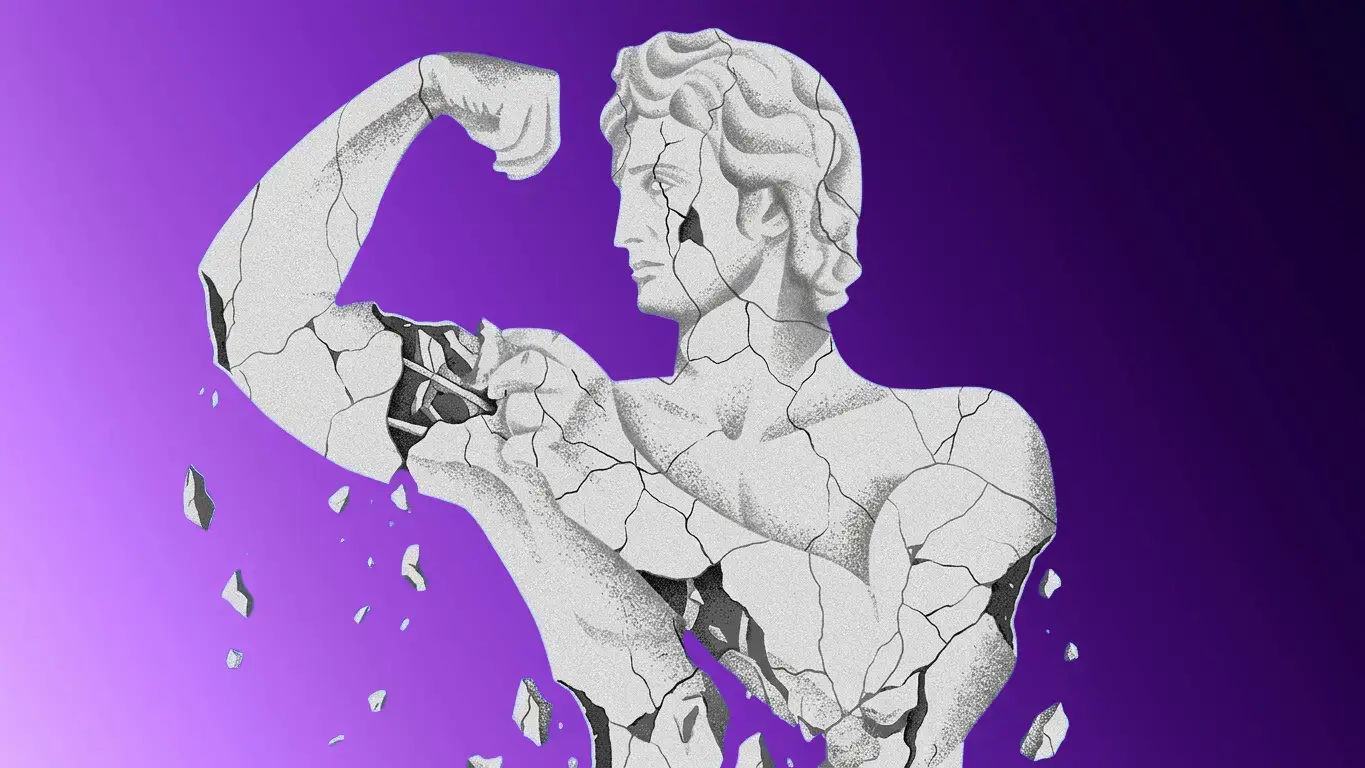
Traditional masculinity is based on long-established beliefs about how men should behave. These include being physically strong, independent, and in control of emotions. While these traits were once widely accepted, they often created pressure to conform. Many individuals found it difficult to express vulnerability or seek support, which could affect mental well-being and relationships.
The redefinition of masculinity is influenced by global discussions on gender equality and social justice. Increased awareness of mental health and diversity has encouraged individuals to challenge rigid gender norms. Academic research and activism have highlighted how traditional roles can limit both men and women. As a result, societies are moving toward more flexible and inclusive understandings of gender.
Modern masculinity promotes a more balanced and inclusive identity. Men are encouraged to express emotions, support others, and participate in caregiving roles. There is also greater acceptance of different identities and lifestyles. These changes help break stereotypes and create healthier relationships. By embracing these values, individuals can contribute to more equitable communities.
Academic platforms play a vital role in shaping discussions on masculinity and gender roles. Researchers examine how social expectations impact behavior, identity, and well-being. Conferences provide opportunities to share findings, exchange ideas, and build collaborations. These discussions are essential for developing new perspectives and influencing future policies.
Follow the Women & Gender Community channel on WhatsApp